
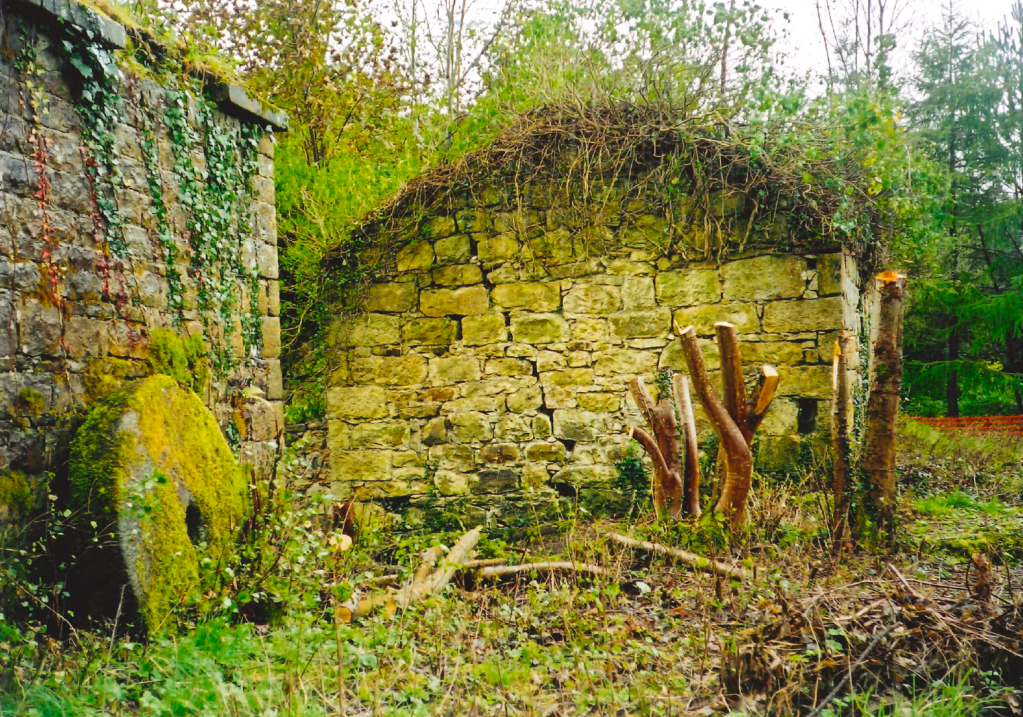
The corn mill and kiln at Tully townland was built around 1760 as a manor mill on the extensive estate belonging to the Earl of Enniskillen at Florence Court. Its internal cog-and-rung gearing was made entirely of wood and was hailed at the time as a testimony to the skills and ingenuity of the carpenters and millwrights who made it. Indeed, its milling mechanism was once regarded as the best example of power transmission in Ulster but sadly, at the time of its refurbishment, it had deteriorated beyond repair. All that remains of the mill today is the original mill building, water wheel, mill pond, sluice gates and race.
Tully Mill was also at the heart of a community hub which included the miller’s cottage and rectory which still survive. A tree was planted below the rectory by John Wesley the founder of Methodism when he preached here in —-. The school has since been demolished
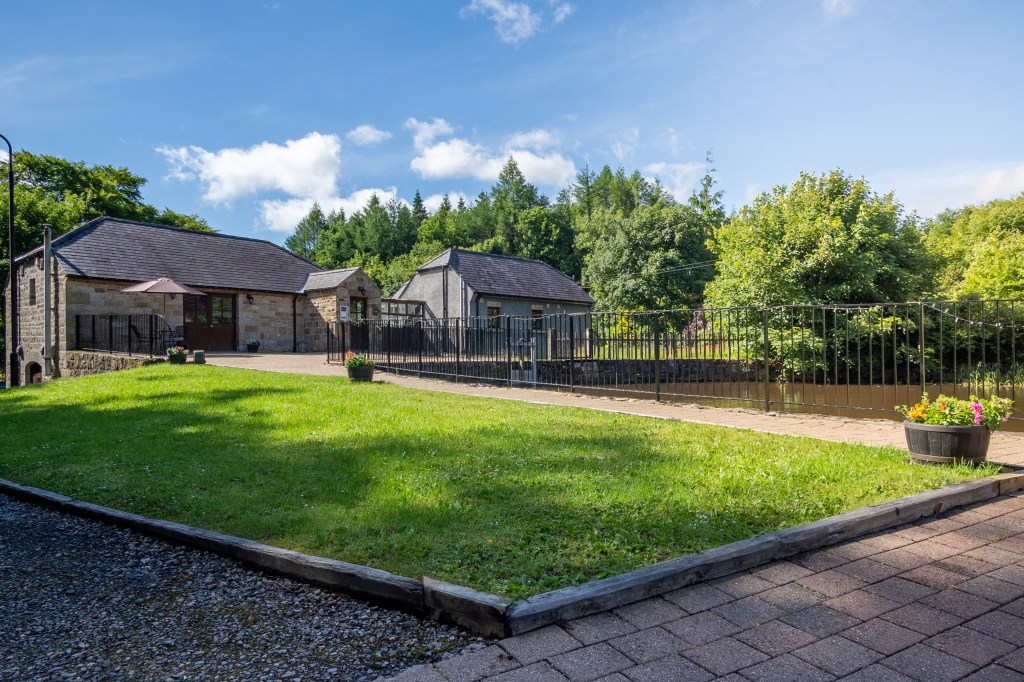
The mill was also at the core of a larger industrial hub in the immediate vicinity which included a larger mill located nearby to the north behind the rectory. Known locally as Flemings Mill it was, during its lifetime a linen bleaching mill, candlewick manufactory (the largest in Ireland), a scutch mill, and within living memory, a sawmill.
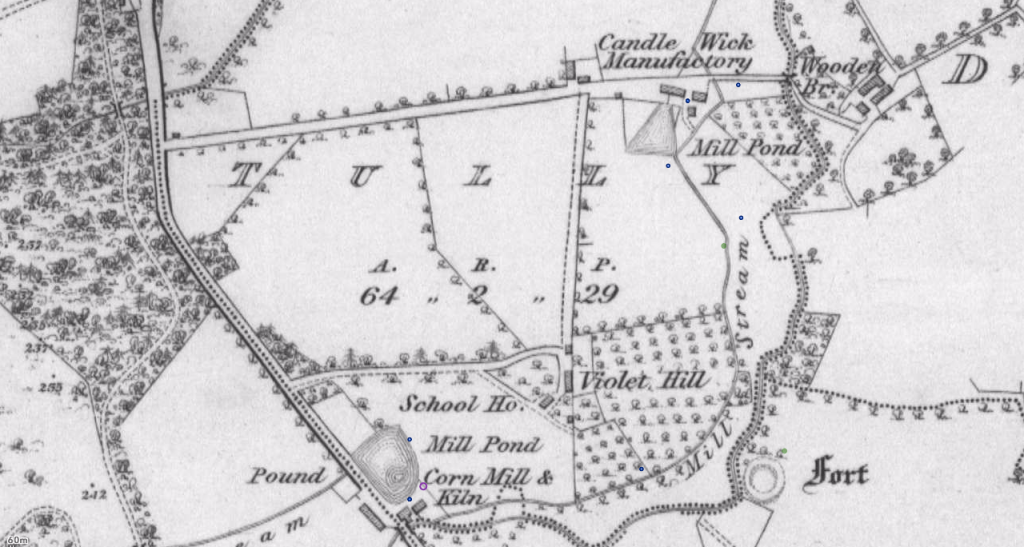
Acknowledgement: OS map 1832.
It was powered by a separate pond fed by a long mill race taken from the main pond at Tully Mill which in turn was fed by the Larganess River. A second water wheel at Flemings Mill was installed in the 1920’s to generate electricity. It was subsequently replaced by a Craig Turbine before the mill was finally abandoned in the 1960’s.
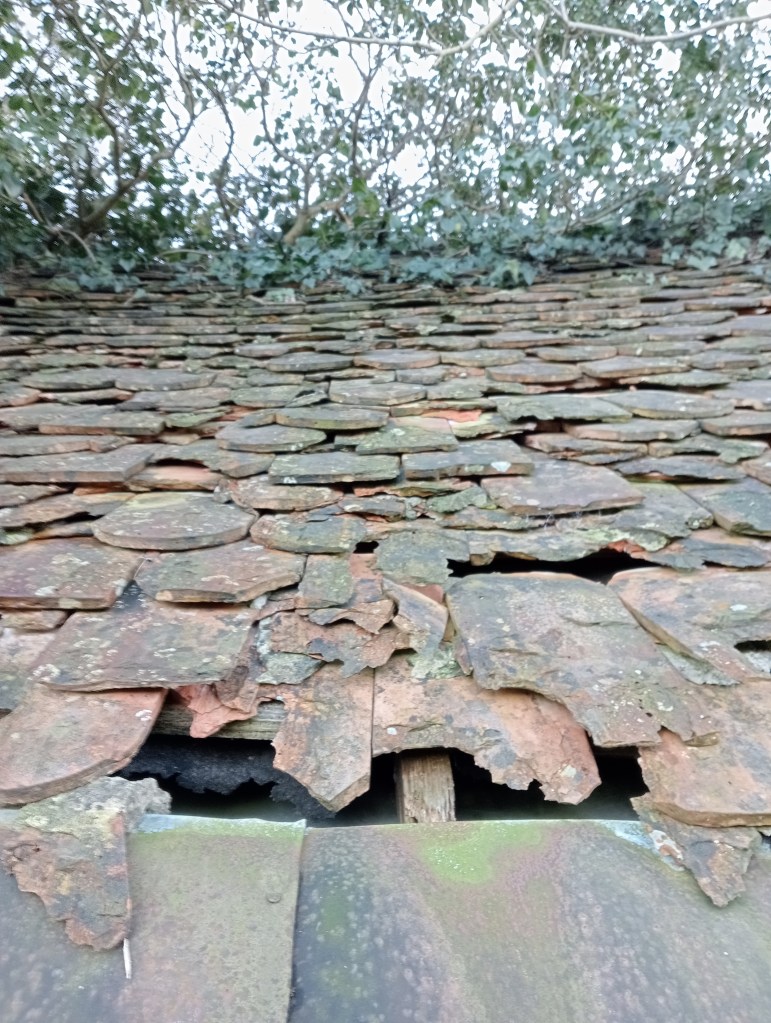
Another major important industrial activity developed by the Earl of Enniskillen in the vicinity was a large brick and tile manufactory known as the Tilery. Using local Arney clay extracted from along the Arney River the Tilery produced standardised factory products known as Florence Court roof & floor tiles, drainage pipes and bricks. The same source of local clay had been used for centuries by local farmers to make traditional slap bricks in temporary clamping kilns which were transported by cot to Enniskillen.
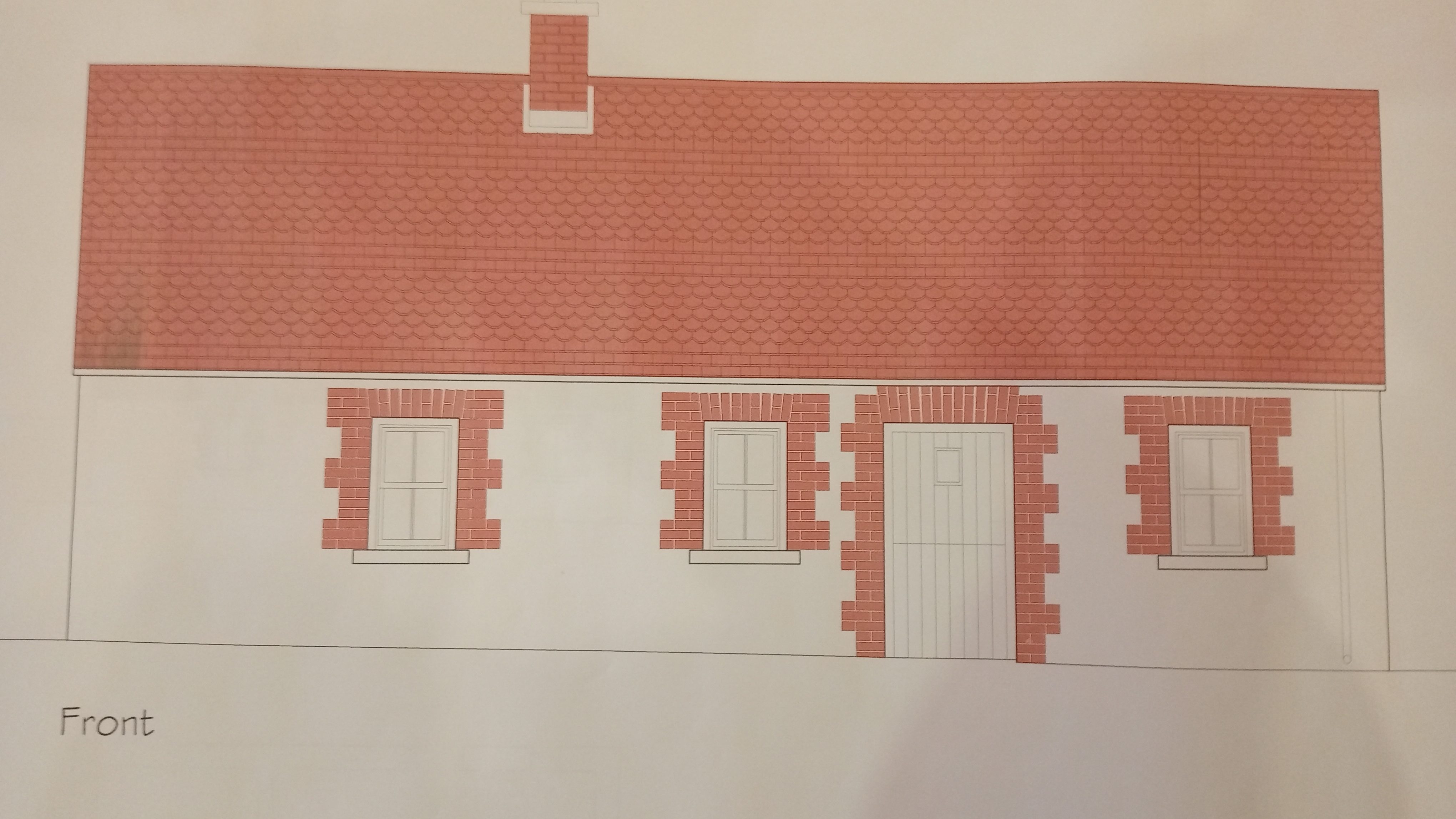
Acknowledgement:Davy Dane.
 KCDA
KCDA 